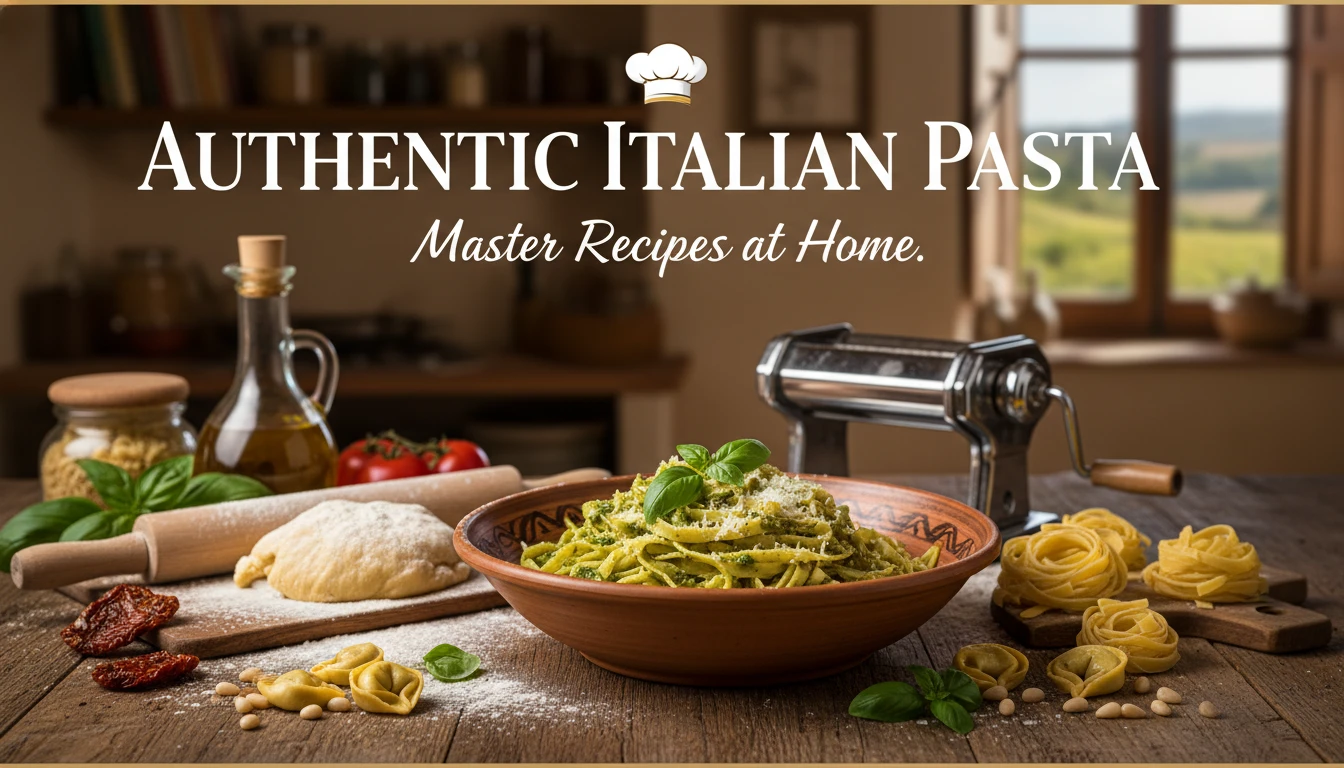
How to Master Authentic Italian Pasta Recipes at Home: Your Ultimate Guide
Do you love Italian food? Imagine making fresh pasta yourself. It tastes incredibly delicious. This guide helps you achieve that.
Many people dream of authentic Italian flavors. You can achieve them easily at home. We will show you how. This post teaches you How to Master Authentic Italian Pasta Recipes at Home.
Discover traditional techniques today. Learn essential ingredients. Soon, you will cook like a seasoned nonna. Let’s begin your pasta journey right now.

Essential Tools and Ingredients for Authentic Pasta
First, gather your essential equipment. You need basic kitchen tools. A good pasta maker is very helpful. However, you can certainly use a simple rolling pin.
Additionally, select quality ingredients. Use ’00’ flour for the best results. Fresh eggs are absolutely crucial. Furthermore, choose high-quality olive oil.
Moreover, ingredient quality matters greatly. Simple ingredients shine brightest. Therefore, never compromise on freshness. You prepare truly delicious meals this way.
Key Tools You Will Need:
- A large mixing bowl
- A sturdy rolling pin or a manual pasta machine
- A sharp knife or pasta cutter
- A large pot for cooking pasta
- A slotted spoon or pasta fork
- A clean kitchen towel
Must-Have Ingredients:
- ’00’ Flour (or all-purpose flour)
- Fresh, large eggs
- A pinch of fine sea salt
- Extra virgin olive oil (optional, for some doughs)
- Semolina flour (for dusting)
Your Step-by-Step Guide: How to Master Authentic Italian Pasta Recipes at Home
This section outlines each crucial step. Follow these instructions carefully. You will create amazing homemade pasta. It truly is a rewarding process.
Step 1: Preparing Your Perfect Pasta Dough
First, make a well with your flour. Pour the fresh eggs into the center. Add a small pinch of salt. Mix gently with a fork, incorporating flour slowly.
Then, knead the dough vigorously. Do this for 10-15 minutes. The dough should feel smooth and elastic. Proper kneading develops the gluten.
Next, cover the dough tightly. Let it rest for 30 minutes. This resting period relaxes the gluten. Consequently, it rolls out much more easily.
Step 2: Rolling and Shaping Your Fresh Pasta
Divide your rested dough into portions. Flatten one piece slightly with your hand. Feed it through your pasta machine. Start on the widest setting first.
Fold the dough, then repeat this process. Pass it through narrower settings gradually. Continue until you reach your desired thickness. Alternatively, use a rolling pin for a rustic touch.
Furthermore, choose your desired pasta shape. Cut tagliatelle or fettuccine strips. You can also make delicate ravioli. Always follow specific recipe instructions for shapes.

Step 3: Cooking Your Delicious Homemade Pasta
Bring a large pot of water to a rolling boil. Add generous salt to the water. This step flavors the pasta from within. It should taste like the sea.
Gently add your fresh pasta to the boiling water. Cook it for only 2-4 minutes. Fresh pasta cooks surprisingly quickly. Always taste test for that perfect al dente bite.
Immediately drain the pasta. Reserve about half a cup of pasta water. This starchy water helps thin and emulsify your sauce. Toss your pasta with your favorite sauce right away.
Expert Tip: The Secret to Perfect Sauce
A great sauce truly elevates your pasta. Simple sauces often work best. For example, cacio e pepe uses just a few ingredients. Likewise, aglio e olio is incredibly flavorful.
Use fresh, high-quality tomatoes for red sauces. Sauté garlic and onions gently. Add fresh herbs for extra aroma. Moreover, always finish with generous grated Parmigiano-Reggiano.
Common Mistakes to Avoid When Making Italian Pasta
Many beginners make common errors. Do not rush the crucial kneading process. Insufficient kneading leads to tough, chewy pasta. Proper kneading develops beautiful gluten strands.
Also, avoid over-flouring your dough. Too much extra flour dries it out. Keep your work surfaces lightly dusted. This prevents the dough from sticking excessively.
Furthermore, never overcook fresh pasta. It becomes mushy very fast. Always taste your pasta often during cooking. Al dente pasta offers a pleasant, firm bite.
Remember, practice makes perfect results. Do not get discouraged by early attempts. Each attempt improves your skill level. Soon you
will be crafting restaurant-quality pasta dishes with confidence. Embrace the learning process, and enjoy every delicious step.
Mastering Pasta Sauces: The Perfect Complement
Once you’ve perfected your fresh pasta, the next step is to pair it with an authentic Italian sauce. The beauty of Italian cuisine lies in its simplicity and the quality of its ingredients. A great sauce enhances, rather than overwhelms, the pasta.
Classic Sauces to Get Started:
- Aglio e Olio: A simple yet incredibly flavorful sauce made with garlic, olive oil, and chili flakes. Perfect for showcasing the pasta itself.
- Pomodoro: A fresh tomato sauce, often with basil, that celebrates the sweetness of ripe tomatoes. Ideal for light, fresh pasta.
- Cacio e Pepe: A Roman classic with just three ingredients – Pecorino Romano cheese, black pepper, and pasta water. It requires a bit of technique but is immensely rewarding.
- Carbonara: Another Roman gem, made with guanciale (or pancetta), egg yolks, Pecorino Romano, and black pepper. Creamy and rich without using actual cream.
Remember, the key to a great sauce is balance. Use high-quality ingredients, cook them with care, and always toss your freshly cooked pasta directly into the sauce. This allows the pasta to absorb the flavors, creating a harmonious dish.
Your Journey to Pasta Mastery Begins Now
Embarking on the journey to master authentic Italian pasta at home is a rewarding culinary adventure. From the tactile pleasure of kneading dough to the exquisite taste of a perfectly sauced dish, every step is a celebration of tradition, passion, and flavor. Don’t be afraid to experiment, taste often, and most importantly, enjoy the process. Soon, your kitchen will be filled with the aromas of Italy, and your table with dishes that delight family and friends.
Buon appetito!
Printable Recipe Card: Basic Fresh Egg Pasta Dough
Fresh Egg Pasta Dough
Yields: 4 servings
Prep time: 20 minutes
Resting time: 30 minutes
Ingredients:
- 2 cups (250g) “00” flour (or all-purpose flour), plus more for dusting
- 2 large eggs
- 1-2 tablespoons water (if needed)
- Pinch of salt
Instructions:
- On a clean work surface, create a mound of flour. Make a well in the center.
- Crack the eggs into the well and add a pinch of salt.
- Using a fork, gently whisk the eggs, gradually incorporating flour from the inner edge of the well.
- Continue until a shaggy dough forms. Use your hands to bring the dough together.
- Knead the dough vigorously for 8-10 minutes until it is smooth, elastic, and no longer sticky. If too dry, add a few drops of water; if too wet, add a tiny bit of flour.
- Form the dough into a ball, wrap it tightly in plastic wrap, and let it rest at room temperature for at least 30 minutes. This allows the gluten to relax.
- After resting, divide the dough into 2-4 pieces. Flatten one piece with your hand and pass it through a pasta machine, starting at the widest setting.
- Fold the dough into thirds and pass it through the widest setting again. Repeat this folding and rolling 2-3 times until the dough is smooth and rectangular.
- Continue passing the dough through progressively narrower settings, without folding, until it reaches your desired thickness (usually setting 6 or 7 for most machines).
- Cut the pasta sheets into your desired shapes (fettuccine, tagliatelle, spaghetti, etc.) using the machine’s cutters or a knife.
- Dust the fresh pasta with semolina flour to prevent sticking. Cook immediately in a pot of generously salted boiling water for 1-3 minutes, or until al dente.
Once your beautiful, fresh pasta is perfectly al dente, drain it quickly, reserving a little pasta water, and toss immediately with your favorite authentic Italian sauce. The delicate texture of homemade pasta truly shines with simple, high-quality ingredients.
Sauce Pairings to Elevate Your Homemade Pasta
- Aglio e Olio: A timeless, simple sauce with garlic, olive oil, and chili flakes that allows the pasta’s flavor to be the star.
- Cacio e Pepe: Creamy Pecorino Romano cheese and freshly ground black pepper create an irresistible, rustic Roman dish.
- Pomodoro Fresco: A light, vibrant sauce made with ripe tomatoes, fresh basil, and a drizzle of extra virgin olive oil – perfect for showcasing delicate pasta.
- Pesto Genovese: The bright flavors of basil, pine nuts, Parmesan, and olive oil coat the fresh strands beautifully.
- Ragù Bolognese: For heartier pasta shapes like tagliatelle, a slow-cooked meat sauce offers a rich, comforting experience.
Tips for Storing Fresh Pasta
While fresh pasta is undeniably best enjoyed immediately, you can prepare it in advance or store leftovers:
- Refrigeration: Dust generously with semolina flour and loosely coil into nests. Store in an airtight container in the refrigerator for up to 2-3 days.
- Freezing: For longer storage, arrange dusted pasta nests on a baking sheet and freeze until solid. Transfer to a freezer-safe bag or container and store for up to 1 month. Cook directly from frozen, adding an extra minute or two to the cooking time.
Embrace the Journey to Pasta Mastery
Making pasta from scratch is more than just cooking; it’s an experience, a connection to generations of Italian culinary tradition. Don’t be discouraged if your first batch isn’t perfectly uniform or takes a little longer than expected. Like any craft, it takes practice and patience. Each time you roll and cut, you’ll gain a deeper understanding of the dough and a greater appreciation for the art.
The reward of serving a plate of your own handcrafted pasta, tossed with a simple, delicious sauce, is truly unparalleled. It’s a taste of Italy, made with love, right in your own kitchen. So, gather your ingredients, clear your counter, and embark on your journey to mastering authentic Italian pasta at home. Buon appetito!
Ready to put your newfound knowledge into practice? Let’s start with a foundational recipe that will allow you to experience the true joy of homemade pasta: classic Fresh Tagliatelle with a simple yet elegant Pomodoro sauce. This recipe will guide you through making the dough, rolling it, and cutting it into beautiful ribbons, then finishing it with a vibrant, fresh tomato sauce.
Fresh Tagliatelle with Pomodoro Sauce
This recipe provides a perfect introduction to making fresh egg pasta, paired with a light, flavorful tomato sauce that lets the pasta truly shine. It’s a taste of Italian comfort food, made with love from scratch.
Ingredients
For the Fresh Tagliatelle:
- 2 cups (250g) “00” flour (or all-purpose flour)
- 3 large eggs (room temperature)
- Pinch of salt
- Extra semolina flour or all-purpose flour for dusting
For the Simple Pomodoro Sauce:
- 1 tbsp extra virgin olive oil
- 2 cloves garlic, finely minced
- 1 (28-ounce) can crushed San Marzano tomatoes
- 1/4 cup fresh basil leaves, torn or chopped
- Salt and freshly ground black pepper to taste
- Pinch of sugar (optional, to balance acidity)
- Freshly grated Pecorino Romano or Parmigiano Reggiano for serving
Instructions
Making the Fresh Pasta Dough:
- On a clean work surface, mound the flour and create a well in the center.
- Crack the eggs into the well and add a pinch of salt.
- Using a fork, gently whisk the eggs, gradually incorporating flour from the inner rim of the well. Continue until a shaggy dough forms.
- Scrape any remaining flour onto the dough and begin kneading by hand for 10-15 minutes until the dough is smooth, elastic, and no longer sticky.
- Form the dough into a ball, wrap it tightly in plastic wrap, and let it rest at room temperature for at least 30 minutes. This allows the gluten to relax, making the dough easier to roll.
Rolling and Cutting the Tagliatelle:
- Divide the dough into 2-3 portions. Keep the portions you’re not working with covered to prevent drying.
- Lightly flour your work surface and the dough. Using a pasta machine (hand-cranked or stand mixer attachment), flatten a portion of dough and pass it through the widest setting. Fold the dough in thirds, rotate it, and pass it through again. Repeat this 2-3 times until the dough is rectangular and smooth.
- Gradually decrease the thickness setting, passing the dough through each setting once or twice, until it reaches your desired thickness (typically setting 5 or 6 out of 9 for tagliatelle, or until you can almost see your hand through it).
- Lay the thin sheet of pasta on a lightly floured surface. Let it air dry for about 10-15 minutes until it feels slightly tacky but not wet.
- Lightly dust the pasta sheet with flour, then gently roll it up into a loose cylinder.
- Using a sharp knife, cut the rolled dough into 1/4-inch wide strips. Unroll the tagliatelle and lightly dust with semolina flour to prevent sticking.
- Place the fresh pasta on a floured baking sheet or hang it on a pasta drying rack while you prepare the sauce.
Preparing the Simple Pomodoro Sauce:
- In a large skillet or pot, heat the olive oil over medium heat. Add the minced garlic and sauté for 1-2 minutes until fragrant, being careful not to brown it.
- Pour in the crushed San Marzano tomatoes. Season with salt, pepper, and an optional pinch of sugar.
- Bring the sauce to a gentle simmer, then reduce heat to low, cover, and cook for 15-20 minutes, stirring occasionally, allowing the flavors to meld.
- Stir in the fresh basil leaves just before serving.
Cooking and Serving:
- Bring a large pot of heavily salted water to a rolling boil.
- Add the fresh tagliatelle and cook for only 2-4 minutes, or until al dente. Fresh pasta cooks very quickly!
- Drain the pasta, reserving about 1/2 cup of the pasta water.
- Transfer the cooked pasta directly into the skillet with the pomodoro sauce. Toss to coat, adding a splash of reserved pasta water if needed to achieve a silky consistency.
- Serve immediately, garnished with extra fresh basil and a generous sprinkle of freshly grated Pecorino Romano or Parmigiano Reggiano cheese.
Chef’s Notes
The key to perfect fresh pasta is the texture of the dough – it should be smooth and firm, not sticky. Adjust flour or egg slightly if needed. When rolling, use minimal flour to prevent the pasta from becoming tough. Don’t be afraid to experiment with different shapes once you master tagliatelle; the same dough can be used for fettuccine, pappardelle, or even filled pastas like ravioli. Enjoy the process and the incredible flavor of truly fresh pasta!

Recommended Products
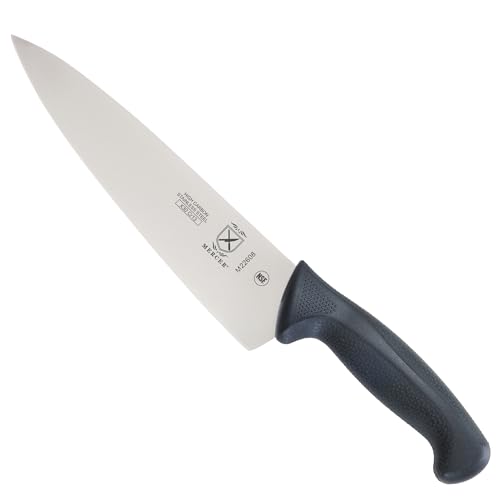
As an Amazon Associate I earn from qualifying purchases. Product prices and availability are accurate as of the date/time indicated and are subject to change.
Leave a Reply